
Bali vs Phuket vs Dubai: Buying Property Compared
Bali vs Phuket property, and Dubai alongside: what a foreigner can hold in each market, for how long, how the deal is closed, who runs a rented unit, what the climate does to the building and how you exit.
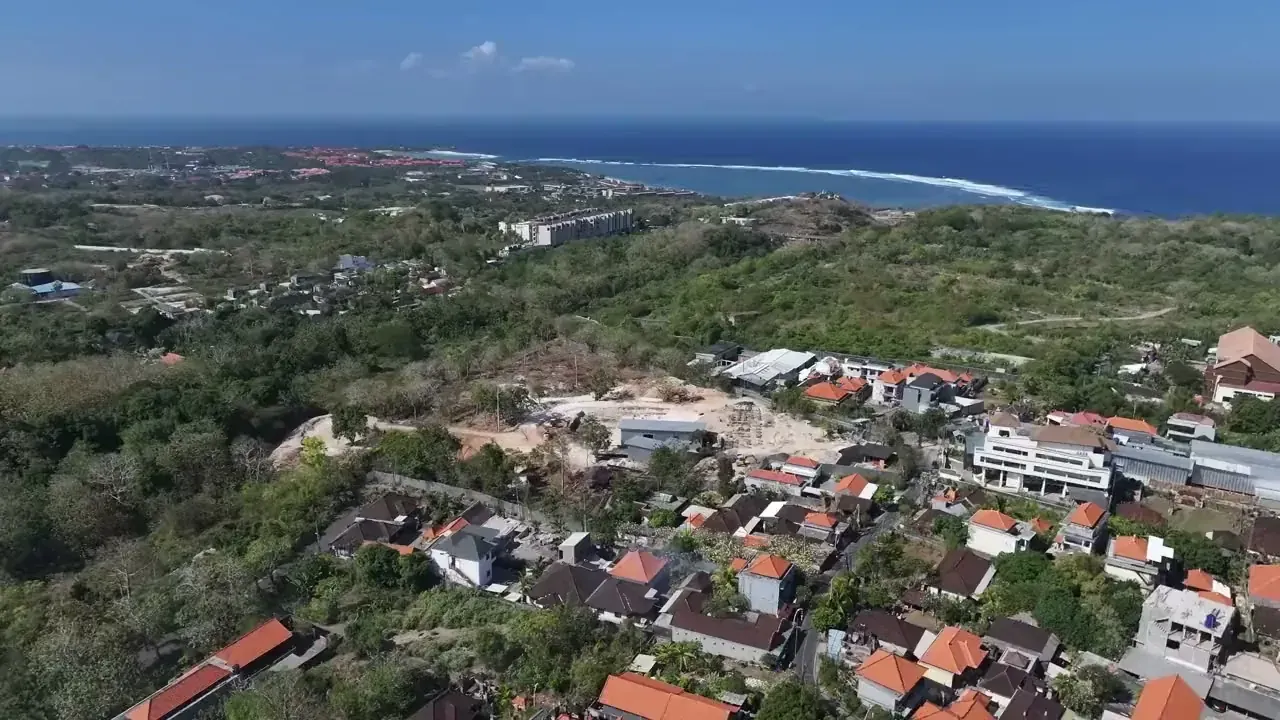
In brief: Bali, Phuket and Dubai answer the same buyer questions in very different ways. In Bali a foreigner usually holds a long leasehold or Hak Pakai, never freehold land. In Phuket a foreigner can own a condominium unit outright within a foreign quota, but land only by a lease of up to 30 years. In Dubai a foreigner can own freehold, but only in designated areas. The right market is the one whose title, deal, operator and exit you understand before you sign, not the one with the loudest forecast.
Why compare the three markets on the same questions?
Buyers looking at Bali often weigh it against Dubai or Thailand, and the usual comparison starts from headlines: visitor numbers, growth forecasts, a neighbour who did well. Those numbers rarely transfer to a single residence. Island, city and national tourism totals cover different geographies, so they are not a like-for-like forecast for any one unit.
A more useful method is to ask the same six questions in every market and compare the answers side by side: what can a foreigner hold, for how long and on what title, how the deal is closed, who operates the unit, what the climate does to the building, and what exit looks like. This article answers each one from the official source for each market. For the wider case for the island itself, see why Bali.
What can a foreigner hold in Bali, Phuket and Dubai?
Bali: leasehold or Hak Pakai, not freehold land
Indonesian law does not let a foreign individual own land outright. A foreign buyer in Bali usually takes a long leasehold, a contract with the landowner registered through a notary, or holds a house on Hak Pakai (right of use) title. Under Government Regulation No. 18 of 2021, Hak Pakai can be granted to a foreigner, and on state land it runs for up to 30 years, extendable by up to 20 and renewable for up to 30 more. The same regulation allows foreigners to own strata units in specified areas. Most HQC residences are held on a long leasehold with a contracted extension; Dzen Green Fields in Ubud is freehold. The tenure of each project is stated on its page. For the full trade-off, see leasehold vs freehold in Bali.
Phuket: a condominium unit, or a lease on land
Thailand's Land Code allows a foreigner to acquire land only under a treaty, and no such treaty is in operation. The one statutory exception, section 96 bis, requires a large approved investment and ministerial permission, and is rarely used by ordinary buyers. The practical route is a condominium unit. Under section 19 of the Condominium Act, a foreigner can register ownership of a unit provided that the foreign-owned area stays within the statutory quota, just under half of the total unit area of the building, and the purchase funds are remitted into Thailand in foreign currency, with the quota checked at transfer, not at reservation. A villa on its own land is usually held by a registered lease.
Dubai: freehold in designated areas
Article 4 of Dubai Law No. 7 of 2006 on real property registration allows non-UAE nationals, in areas determined by the Ruler, to hold freehold ownership without a time limit, or a usufruct or lease of up to 99 years. Outside those designated areas a foreign buyer cannot acquire these rights. Of the three markets, Dubai is the only one where a foreign individual can hold freehold title to a house or villa together with its own plot, within those designated areas.
How long can you hold, and on what title?
- Bali: a leasehold runs for the term in the deed, often with an extension set out in the contract. At Satori, for example, the term is 32 + 30 years. Hak Pakai on state land runs 30 + 20 + 30 years under PP 18/2021, subject to the conditions for extension.
- Phuket: a condominium unit is owned without a time limit. A lease of land or a house cannot exceed 30 years under section 540 of the Civil and Commercial Code, and a lease over three years must be registered at the Land Office to be enforceable beyond three years. It may be renewed when it ends if the owner agrees, but in March 2025 the Thai Supreme Court held that pre-agreed renewals of 30 + 30 + 30 years are void beyond the first 30-year term, so a "30 + 30 + 30" promise does not secure the later terms.
- Dubai: freehold in a designated area has no time limit; a lease or usufruct there runs up to 99 years.
How is the deal closed, and where does the money sit?
In Bali, the lease is signed as a notarial deed and the landowner, the land certificate and the building permits are checked before you pay more than a reservation. Off-plan purchases are paid by construction stage under the contract, so the documents and the payment schedule carry most of the protection. The steps, and the document that protects each one, are set out in how to buy property in Bali as a foreigner.
In Phuket, a condominium unit is transferred at the provincial Land Office, which refuses the registration if it would breach the foreign quota, whatever the reservation agreement says. A foreign buyer keeps the bank documents that show the funds came into Thailand in foreign currency, because the Land Office asks for them. A lease over three years is registered at the same office.
Dubai has the most formal off-plan framework of the three. Under Law No. 8 of 2007 on escrow accounts, a developer selling off-plan must open an escrow account for each project; buyers' payments go into it, may be used only for building that project, and cannot be attached by the developer's creditors. Under Law No. 13 of 2008 on the Interim Property Register, an off-plan sale must be entered in that register to be valid, and the unit moves to the main register once the completion certificate is issued.
Who operates a branded or rented unit?
If the residence will be let while you are away, the operator matters more than the market. In every market, ask for the named operator, read the management agreement, and confirm that the unit itself holds the licence to take short-stay guests.
- Bali: short-term letting requires tourism zoning, building permits and an accommodation licence held through the OSS system by the entity that runs the property. The licensing detail is covered in villa management and rental licences in Bali. HQC's branded projects carry the Wyndham, Accor and Radisson brands, and the arrangement is stated before you buy: Bloom is fully managed by Radisson, while Satori (Accor) and the Ardhana hotel (Wyndham) run on a franchise basis, with HQC running day-to-day operations.
- Phuket: under the Hotel Act B.E. 2547 (2004), no one may operate a hotel business without a licence. A Thai court of first instance ruled in 2018 that owners of two condominium units who let them daily and weekly without a licence had breached the Act, while monthly rentals fall outside the Act. A unit inside a licensed hotel or serviced residence is a different proposition from a condominium let through a platform.
- Dubai: every apartment or villa must be registered and approved by the Department of Economy and Tourism before it is listed as a holiday home. Under the implementing bylaw of Decree No. 41 of 2013, the permit is valid for one year and is renewable, and the sale contract must not forbid holiday-home use.
What does the climate do to the building?
- Bali sits on an active seismic belt with an intense wet season. Research published by BMKG, Indonesia's meteorology and geophysics agency describes the Bali to Lombok segment as highly seismic, with the Flores back-arc thrust to the north and the subduction of the Indo-Australian plate to the south. The frame has to be engineered for movement, and walls and foundations sealed against water. HQC sets out how it builds for both on its construction quality page.
- Phuket faces the southwest monsoon. Thailand's rainy season runs from mid-May to mid-October, when the southwest monsoon brings rain across the country. Roofs, drainage, window seals and anything facing the sea carry the load.
- Dubai faces heat and humidity rather than rain. A UN ESCWA climate fact sheet for the UAE records days above 40 degrees Celsius becoming more common and reaching coastal cities, where humidity magnifies heat stress. Cooling systems, glazing and facade sealants work hardest.
What does exit look like?
Exit is set by the title you bought, so ask about it first.
- Bali: you sell the remaining term of the lease, together with any contracted extension that the deed allows you to pass on. Read the assignment clause before you sign: it decides whether a later buyer receives the same rights you hold, and whether the landowner must consent.
- Phuket: a condominium unit is resold at the Land Office, and a foreign buyer needs room in the building quota on the day of transfer. A lease can be transferred only if the contract allows it, under section 544 of the Civil and Commercial Code, and a later buyer inherits the unexpired part of a term that cannot exceed 30 years.
- Dubai: a resale in a designated area is registered with the Dubai Land Department; an off-plan unit is resold through the Interim Property Register until the project is complete.
Bali vs Phuket vs Dubai: the decision table
Question | Bali | Phuket | Dubai |
|---|---|---|---|
What a foreigner can hold | Long leasehold or Hak Pakai; strata units in specified areas | Condominium unit within the foreign quota; land by lease only | Freehold, or lease or usufruct up to 99 years, in designated areas |
Longest term | Set by the lease deed; Hak Pakai on state land 30 + 20 + 30 years | Unit without time limit; lease up to 30 years, renewal not guaranteed | Freehold without time limit |
Where the deal is closed | Notarial deed; land and permits checked first | Provincial Land Office, quota checked at transfer | Dubai Land Department; off-plan in the Interim Register |
Off-plan money | Paid by construction stage under the contract | Paid under the developer contract | Project escrow account required by law |
Short-stay licence | Accommodation licence through OSS | Hotel licence under the Hotel Act | Holiday home permit from DET, renewed yearly |
Climate load | Seismic movement, intense wet season | Southwest monsoon | Extreme humid heat |
Exit | Assign the remaining lease term | Resell within quota, or assign a lease if allowed | Resell through the Land Department |
Frequently asked questions
Is Bali or Phuket better for buying property?
Neither is better in general. Phuket gives a foreigner outright ownership of a condominium unit, within a quota; Bali gives a long leasehold or Hak Pakai across a wider range of formats, including villas and branded hotel units. Choose the market whose title and operating arrangement fit how you will use the residence, then judge the specific project.
Can a foreigner own freehold in Bali the way they can in Dubai?
Not in the same way. Dubai grants freehold to non-UAE nationals directly, in designated areas. Indonesian law does not give a foreign individual Hak Milik, the Indonesian freehold land title, so a foreigner in Bali uses a leasehold, Hak Pakai or another structure that a notary confirms is open to foreigners. Where a project is marketed as freehold, ask how the title is held for you.
How long can a foreigner lease land in Phuket?
Up to 30 years under section 540 of Thailand's Civil and Commercial Code, and a lease over three years must be registered at the Land Office. Renewal needs the owner's agreement when the lease ends: in March 2025 the Thai Supreme Court held that pre-agreed renewals of 30 + 30 + 30 years are void beyond the first 30-year term.
How are off-plan payments protected in Dubai?
Under Law No. 8 of 2007, a developer selling off-plan must open an escrow account for each project. Buyers' payments go into it, may be used only for building that project, and cannot be attached by the developer's creditors.
Do you need a licence to rent a holiday home in each market?
Yes. Bali requires an accommodation licence held through the OSS system, Thailand a hotel licence under the Hotel Act for daily and weekly lets, and Dubai a holiday home permit from the Department of Economy and Tourism, valid for one year and renewable.
How do you sell property in Bali, Phuket and Dubai?
In Bali you assign the remaining lease term, with any extension the deed lets you pass on. In Phuket a condominium unit is resold at the Land Office, within the foreign quota on the day of transfer. In Dubai a resale is registered with the Dubai Land Department, and an off-plan unit is resold through the Interim Property Register.
The bottom line
Bali, Phuket and Dubai are not rivals on one scale. They are three legal systems with three titles, three ways of closing a deal and three climates. Ask the same six questions in each, read the answers from the official sources, and compare individual residences rather than market headlines. To see how HQC answers them project by project, browse our current projects, or talk to the HQC sales team about the title, operator and documents of a specific residence.
Continue reading

Selling a Bali Leasehold: How Resale Works

Franchise or Management Contract: Who Runs a Bali Hotel?
